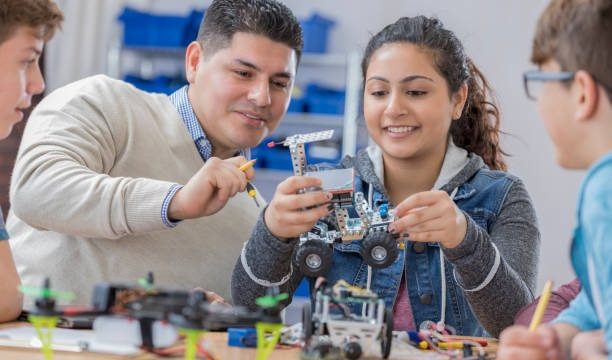
In recent years, the conversation around wellbeing has taken a refreshing turn, focusing not just on physical health but also on social and emotional learning (SEL).
As we navigate our busy lives, the importance of fostering emotional intelligence and social skills has become increasingly clear.
Wellbeing programs that emphasize SEL are emerging as essential tools for nurturing a balanced, fulfilling life.
These programs not only support individual growth but also cultivate a sense of community and connection among participants.
A gentle introduction to social and emotional learning
Social and emotional learning encompasses a range of skills that help individuals understand and manage their emotions, build healthy relationships, and make responsible decisions. It’s about developing empathy, resilience, and the ability to communicate effectively. While these skills are often cultivated in school settings, they are equally important in workplaces, community organizations, and even at home. Wellbeing programs that integrate SEL can help individuals of all ages thrive, both personally and professionally.
As we explore the various dimensions of wellbeing programs, it’s essential to recognize the transformative power of SEL. These programs often encourage participants to engage in self-reflection, practice mindfulness, and develop coping strategies. This holistic approach not only enhances emotional awareness but also fosters a supportive environment where individuals feel valued and understood.
Creating connections through community
One of the most powerful aspects of wellbeing programs centered around social and emotional learning is the sense of community they can create. When individuals come together to explore their emotions and experiences, they often find common ground and shared understanding. This connection is vital in today’s fast-paced world, where feelings of isolation and disconnection can be prevalent.
In community settings, wellbeing programs often facilitate group discussions, collaborative activities, and experiential learning opportunities. These interactions help participants build trust and strengthen relationships. When people feel connected to others, they are more likely to engage in positive social behaviors and support one another. This sense of belonging can be particularly beneficial for those who may be struggling with loneliness or emotional challenges.
Mindfulness as a cornerstone of wellbeing
Mindfulness practices are increasingly incorporated into wellbeing programs that emphasize social and emotional learning. At its core, mindfulness is about being present in the moment and cultivating an awareness of one’s thoughts and feelings without judgment. This practice can be incredibly grounding, especially in a world filled with distractions and stressors.
By integrating mindfulness techniques such as meditation, breathing exercises, and mindful movement into wellbeing programs, participants can develop a deeper understanding of their emotions. This awareness allows individuals to respond to challenges with greater clarity and calmness. Moreover, mindfulness can enhance empathy, as it encourages individuals to listen actively and engage with others on a deeper level.
Building resilience through skill development
Resilience is another crucial component of social and emotional learning. Wellbeing programs that focus on SEL often include skill-building activities designed to help participants navigate life’s ups and downs. These activities may involve role-playing, problem-solving exercises, or creative expression through art and writing.
Through these experiences, individuals learn to identify and manage stressors, adapt to change, and develop a positive mindset. Resilience is not just about bouncing back from adversity; it’s about thriving in the face of challenges. By equipping individuals with the tools they need to cope with difficulties, wellbeing programs foster a sense of empowerment and self-efficacy.
The role of educators and facilitators
Educators and facilitators play a vital role in the success of wellbeing programs that support social and emotional learning. Their ability to create a safe and inclusive environment is essential for encouraging open dialogue and personal exploration. By modeling emotional intelligence and demonstrating active listening skills, they set the tone for participants to feel comfortable sharing their thoughts and feelings.
Furthermore, educators can tailor their approaches to meet the diverse needs of participants. This inclusivity ensures that everyone feels seen and heard, regardless of their background or experiences. A compassionate and understanding facilitator can make all the difference in helping individuals engage with the material and connect with one another.
Nurturing lifelong skills for personal and professional growth
The benefits of wellbeing programs that focus on social and emotional learning extend far beyond the immediate experience. The skills cultivated through these programs are applicable in many aspects of life, including personal relationships, academic pursuits, and professional environments. As individuals learn to navigate their emotions and communicate effectively, they become more adept at building strong connections and fostering collaborative relationships.
In the workplace, for instance, employees who have participated in SEL programs often demonstrate improved teamwork, enhanced problem-solving abilities, and a greater capacity for empathy. These qualities contribute to a positive organizational culture and can lead to increased job satisfaction and productivity. By investing in wellbeing programs that support social and emotional learning, organizations are not only nurturing their employees’ wellbeing but also creating a thriving workplace.
A step toward holistic wellness
As we continue to prioritize wellbeing in our lives, it’s essential to recognize the interconnectedness of social, emotional, and mental health. Wellbeing programs that support social and emotional learning provide a comprehensive approach to personal growth and community building. By fostering emotional intelligence, resilience, and meaningful connections, these programs empower individuals to lead more fulfilling lives.
In a world that often emphasizes achievement and productivity, it’s refreshing to see a shift toward nurturing our emotional landscapes. By embracing wellbeing programs that prioritize social and emotional learning, we take a meaningful step toward holistic wellness. These programs not only enrich our lives but also create a ripple effect that can benefit our families, communities, and workplaces.
As we explore the possibilities of wellbeing, let us remember the importance of connection, empathy, and understanding. By supporting social and emotional learning, we contribute to a brighter, more compassionate future for ourselves and those around us. In this journey, every small step counts, and together, we can create a more balanced and supportive world.