In recent years, there has been a growing awareness of the importance of student wellbeing in the educational landscape.
Schools and universities are recognizing that a positive learning environment goes beyond academic success; it encompasses emotional, mental, and social health as well.
By implementing student wellbeing programs, educational institutions are taking significant strides toward nurturing a holistic learning experience that can profoundly impact students’ lives.
A small shift toward balance
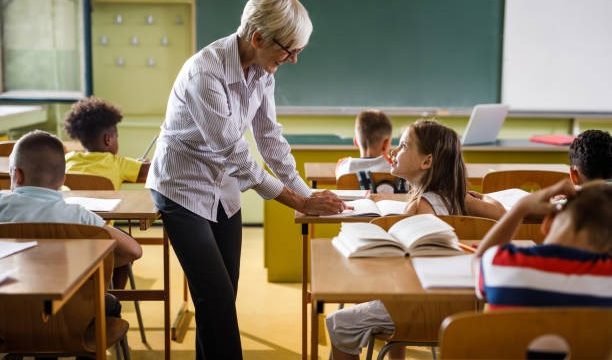
Imagine walking into a classroom where the atmosphere feels warm and inclusive, where students are encouraged to express their thoughts and feelings without fear of judgment.
This is the essence of a wellbeing-centered educational environment. Programs designed to support student wellbeing often include mindfulness practices, counseling services, and activities that promote emotional intelligence. These initiatives encourage students to be present and engaged, fostering a sense of belonging that is crucial for their overall development.
Mindfulness and emotional resilience
Incorporating mindfulness into the daily routine can be a game changer for students. Simple practices such as meditation, deep breathing exercises, or even guided imagery can help students manage stress and improve focus. When students learn to tune into their feelings and thoughts, they develop emotional resilience, enabling them to navigate challenges more effectively. Schools that offer mindfulness workshops or integrate these practices into their curriculum create a foundation for students to cultivate a healthy mindset.
Counseling services play a vital role in student wellbeing, offering a safe space for students to explore their emotions and experiences. Trained counselors can help students work through stress, anxiety, and other challenges they may face. By normalizing conversations around mental health, schools encourage students to seek support when needed, reinforcing the idea that asking for help is a sign of strength rather than weakness.
Creating connections through community
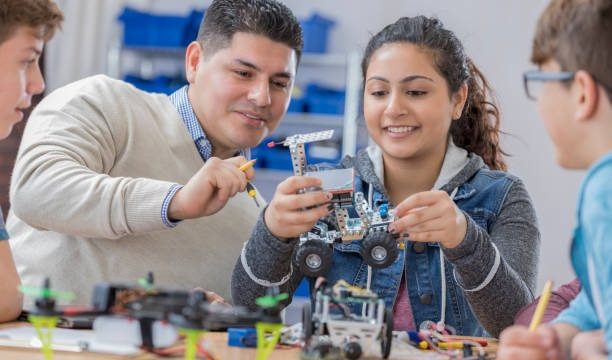
One of the most powerful aspects of student wellbeing programs is their focus on building connections among students. Community-building activities, such as team sports, collaborative projects, or social clubs, foster a sense of belonging and camaraderie. When students feel connected to their peers, they are more likely to engage in their learning and develop a positive attitude toward school.
Programs that encourage peer mentorship can also be incredibly impactful. Older students can provide guidance and support to younger peers, creating a culture of care and understanding. This reciprocal relationship not only enhances the wellbeing of both mentor and mentee but also fosters leadership skills and empathy among students.
Physical health as a cornerstone
While mental and emotional wellbeing are crucial, physical health also plays an integral role in a student’s overall experience. Schools are increasingly recognizing the importance of promoting healthy lifestyles through nutrition and physical activity. Initiatives that encourage healthy eating habits, such as cooking classes or nutrition workshops, can empower students to make informed choices about their diets.
Physical education programs that emphasize the joy of movement rather than competition can also contribute to a positive learning experience. When students participate in activities they enjoy, whether it’s dance, yoga, or team sports, they are more likely to develop a lifelong appreciation for physical activity. This not only benefits their physical health but also enhances their mood and reduces stress.
Cultivating a positive learning environment
A positive learning environment is one where students feel safe, respected, and valued. Programs that focus on social-emotional learning (SEL) are designed to equip students with the skills necessary to navigate their interpersonal relationships and understand their emotions. By integrating SEL into the curriculum, schools can help students develop empathy, communication skills, and conflict resolution strategies.
Teachers play a crucial role in fostering this environment. Professional development programs that emphasize the importance of student wellbeing can empower educators to create classrooms that prioritize emotional safety. When teachers model positive behaviors and actively promote a culture of kindness, students are more likely to mirror these values in their interactions with one another.
The role of families in wellbeing
While schools are instrumental in promoting student wellbeing, families also play a critical role. Programs that engage parents and guardians in the wellbeing journey create a supportive network for students. Workshops that provide resources on mental health, stress management, and effective communication can help families understand the challenges their children face and equip them with tools to support their needs.
Open communication between schools and families fosters a sense of partnership, ensuring that students receive a consistent message about the importance of wellbeing. When families and schools work together, they create a nurturing environment that reinforces positive behaviors and attitudes.
Looking toward the future
As we move forward, the emphasis on student wellbeing will continue to grow. Educational institutions are recognizing that a focus on mental, emotional, and physical health is essential for preparing students for the complexities of modern life. By investing in wellbeing programs, schools are not only enhancing the learning experience but also equipping students with the skills they need to thrive beyond the classroom.
In this evolving landscape, it is crucial for educators, families, and communities to champion student wellbeing initiatives. By prioritizing the holistic development of students, we can create a brighter future where learning is not just about grades, but about fostering resilient, compassionate individuals who are equipped to contribute positively to society.
In essence, student wellbeing programs are not just an addition to the curriculum; they are an essential component of a comprehensive education. By nurturing the whole student, we create a landscape where learning flourishes, and every student has the opportunity to reach their full potential.