In recent years, the landscape of education has been shifting, embracing new methodologies that cater to diverse learning styles and personal preferences.
One of the most promising approaches to emerge is modular learning, a flexible system that allows individuals to explore subjects at their own pace and according to their interests.
This innovative framework not only enhances knowledge acquisition but also fosters creativity in ways that traditional learning environments may struggle to achieve.
The essence of modular learning lies in its adaptability. Rather than following a rigid curriculum, learners can select modules that resonate with their passions and goals. This freedom empowers individuals to take charge of their education, creating an environment where curiosity thrives. Imagine a student who has a keen interest in environmental science but is also intrigued by graphic design. With modular learning, they can delve into both fields simultaneously, weaving together knowledge and skills that might seem disparate but can ultimately complement each other in unexpected ways.
A small shift toward balance can be found in how modular learning encourages interdisciplinary exploration. In traditional settings, subjects are often siloed, which can limit creativity. Modular learning breaks down these barriers, allowing for a rich tapestry of ideas and concepts to be woven together. For instance, a module on storytelling can enhance a student’s understanding of marketing strategies, while a module on data analysis can enrich their perspective on social issues. This interconnected approach nurtures a holistic view of learning, where students can draw connections and insights that are relevant to their lives and future careers.
Another remarkable aspect of modular learning is its emphasis on personal growth and self-directed study. In a world where information is abundant, the ability to discern what is valuable and applicable is essential. By engaging in a modular system, learners develop critical thinking skills as they navigate through various topics. This not only enhances their academic prowess but also cultivates a sense of agency. They learn to set their own goals, track their progress, and reflect on their experiences, which can lead to a profound sense of fulfillment and accomplishment.
As we explore the creative lessons that modular learning can impart, we see the potential for innovation blossoming in unexpected places. Think of a budding entrepreneur who explores a module on sustainable business practices alongside one on digital marketing. The intersection of these fields may inspire them to launch a startup that prioritizes environmental responsibility while effectively reaching their target audience. This kind of creative synergy is a testament to the power of modular learning in fostering not just knowledge, but also the ability to think outside the box.
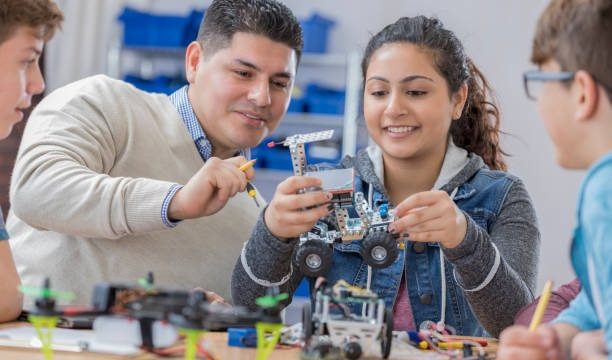
Moreover, the social aspect of modular learning cannot be overlooked. In many cases, these programs encourage collaboration among peers, fostering a sense of community. When learners engage with one another, they share perspectives and insights that can lead to richer discussions and deeper understanding. This collaborative spirit nurtures creativity, as students bounce ideas off one another and challenge each other’s thinking. The environment becomes a vibrant ecosystem of shared knowledge, where everyone contributes to the growth of the whole.
In addition to the creative benefits, modular learning can also enhance emotional well-being. The flexibility it offers allows learners to tailor their education to fit their individual lifestyles and needs. This adaptability can reduce stress and anxiety often associated with traditional learning structures. For instance, a learner who is juggling work and family commitments can choose to engage with modules when it’s most convenient for them, leading to a more harmonious balance between their educational pursuits and personal responsibilities. This sense of control can be incredibly empowering, allowing individuals to thrive both academically and personally.
As we delve deeper into this exploration of creative lessons through modular learning, we must consider the role of technology in facilitating this approach. Online platforms and digital resources have made modular learning more accessible than ever before. With just a few clicks, learners can access a wealth of information and engage with interactive content that enhances their understanding. This technological integration not only enriches the learning experience but also prepares individuals for a world that increasingly relies on digital literacy.
In conclusion, exploring creative lessons through modular learning opens up a world of possibilities. It empowers individuals to take control of their educational journey, fosters interdisciplinary connections, and nurtures a collaborative community. The balance between personal growth and academic achievement is beautifully intertwined in this flexible framework, allowing learners to flourish in their unique ways. As we continue to embrace these innovative approaches, we can look forward to a future where education is not just about acquiring knowledge, but about nurturing creativity and cultivating well-rounded individuals ready to contribute meaningfully to society.
In this ever-evolving landscape, modular learning presents not only a method of education but a lifestyle choice that aligns with our desire for growth, exploration, and connection. As we embark on this journey, let us remember that the lessons learned are as much about the process as they are about the outcomes—each module a stepping stone toward a more creative and fulfilling life.