In today’s fast-paced world, the importance of cooperation among students cannot be overstated.
As classrooms become more diverse and interconnected, fostering a sense of teamwork and collaboration is essential for students’ social and emotional development.
One effective way to nurture these skills is through wellbeing programs designed to promote not only individual health but also collective harmony.
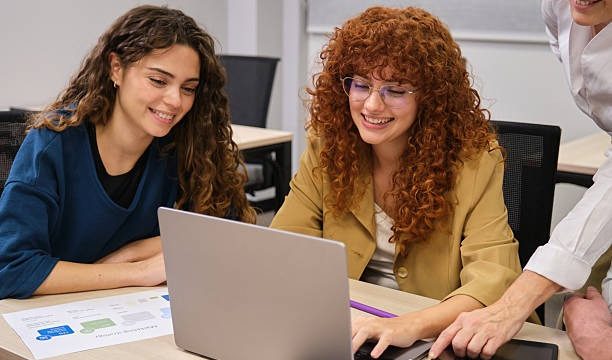
Creating connections through shared experiences can significantly enhance students’ ability to cooperate with one another. Wellbeing programs often include activities that encourage teamwork, allowing students to bond over shared goals and challenges. Whether through group projects, team sports, or collaborative art initiatives, these experiences help students learn the value of working together. When they engage in tasks that require cooperation, they begin to understand that each member brings unique strengths to the table, fostering mutual respect and appreciation.
A small shift toward balance can make a big difference in how students perceive their peers. Wellbeing programs often incorporate mindfulness practices, which encourage students to be present and aware of their feelings and the feelings of those around them. This heightened awareness can lead to greater empathy, enabling students to connect on a deeper level. As they learn to listen actively and respond thoughtfully, they cultivate relationships built on trust and understanding. This foundation is vital for effective cooperation, as it allows students to feel safe in expressing their ideas and opinions.
Moreover, these programs often include conflict resolution training, helping students navigate disagreements in a constructive manner. In any group setting, conflicts are bound to arise, but teaching students how to approach these situations with a cooperative mindset is crucial. By equipping them with tools to manage disputes peacefully, wellbeing programs foster an environment where collaboration thrives. Students learn that differing viewpoints can lead to fruitful discussions and innovative solutions rather than division, reinforcing the idea that cooperation is not just about agreement but about valuing diverse perspectives.
Encouraging physical activity is another integral aspect of many wellbeing programs. Engaging in sports or group exercises not only promotes physical health but also strengthens social bonds. Team sports, in particular, are a fantastic way for students to learn how to work together towards a common goal. The shared experiences of training, competing, and celebrating victories or learning from defeats create a sense of camaraderie that extends beyond the field. These moments help students develop resilience and a sense of responsibility toward one another, both of which are essential components of cooperation.
In addition to physical activities, creative pursuits like art and music can also serve as powerful tools for fostering cooperation. Collaborative art projects require students to communicate their ideas and negotiate roles, cultivating a sense of teamwork. In music classes, students often have to work together to create harmonious sounds, teaching them the importance of listening and adapting to one another. These artistic endeavors allow students to express themselves while also learning to appreciate the contributions of others, reinforcing the idea that cooperation can be a joyful and fulfilling experience.
As students engage in these various activities, they begin to develop essential life skills that extend far beyond the classroom. The ability to cooperate with others is crucial not only for academic success but also for future professional environments. Wellbeing programs, by instilling these values early on, prepare students to navigate their futures with confidence and empathy. When students learn to collaborate effectively, they become better problem solvers, communicators, and leaders.
Incorporating wellbeing programs into educational settings also emphasizes the importance of self-care. When students learn to prioritize their own wellbeing, they are better equipped to support their peers. A healthy, balanced individual is more likely to contribute positively to a team dynamic. By teaching students to recognize their own needs and emotions, educators can help them become more compassionate collaborators. This holistic approach underscores the interconnectedness of personal and collective wellbeing, fostering a culture of support and cooperation.
To truly create a cooperative environment, it’s essential for educators and administrators to model these behaviors themselves. When teachers demonstrate cooperation and empathy, they set a powerful example for their students. This creates a ripple effect throughout the school community, encouraging students to adopt similar attitudes. A culture of cooperation flourishes when everyone, from staff to students, is committed to fostering positive relationships.
Ultimately, the goal of wellbeing programs is to create a nurturing environment where cooperation can thrive. By providing students with opportunities to connect, communicate, and collaborate, these programs lay the groundwork for a more harmonious school experience. The skills learned through these initiatives are invaluable, preparing students not just for academic challenges but for life beyond the classroom.
In conclusion, helping students learn cooperation through wellbeing programs is a vital investment in their future. By emphasizing teamwork, empathy, and self-care, educators can guide students toward becoming compassionate, collaborative individuals. As students learn to navigate their relationships with others, they develop a sense of belonging and community that enriches their educational journey. In a world that often emphasizes competition, fostering cooperation through wellbeing initiatives is a refreshing and essential approach to education. Through these programs, we are not just teaching students to work together; we are helping to shape a kinder, more connected future.