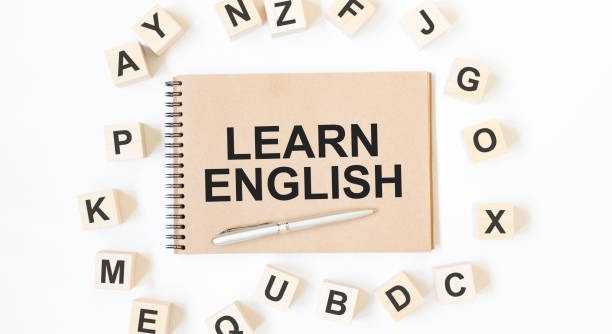
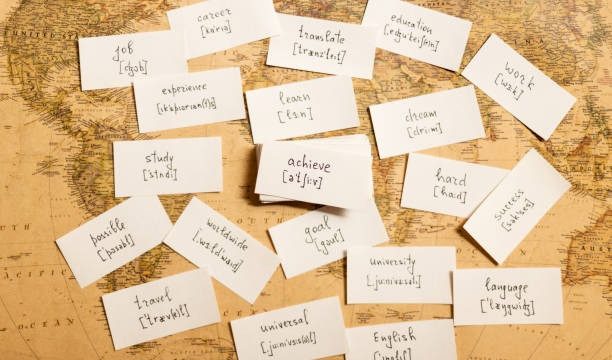
In today’s interconnected world, the ability to communicate in multiple languages is more than just a practical skill; it profoundly shapes student identity.
Multilingual education, which embraces the teaching and learning of multiple languages, creates a rich tapestry of experiences that help students explore who they are and how they fit into the global community.
The beauty of multilingual education lies in its capacity to nurture not only language proficiency but also cultural awareness.
When students engage with different languages, they are invited to step into new worlds, each with its own unique history, traditions, and perspectives. This exposure can cultivate a sense of belonging that transcends geographical boundaries. As students learn to express themselves in various languages, they also discover new ways of thinking and communicating, which can enhance their understanding of their own cultural backgrounds.
Language is more than just a tool for communication; it is a vessel for culture. Each language carries with it the nuances and subtleties of the people who speak it. Through multilingual education, students often gain insights into their heritage and the cultures of others, allowing them to appreciate both their own identity and the identities of their peers. This can lead to a deeper sense of empathy and connection, fostering an environment where diversity is celebrated rather than merely tolerated.
Engaging with multiple languages can also empower students to navigate the complexities of their identities. For many learners, particularly those from multicultural backgrounds, multilingual education provides a space to embrace all facets of their identity. They may feel a sense of pride in speaking their family’s language at home while also thriving in an English-speaking classroom. This duality can be a source of strength, allowing students to bridge gaps between different aspects of their lives.
In addition to fostering personal growth, multilingual education can enhance cognitive abilities. Studies suggest that students who learn multiple languages often excel in problem-solving and critical thinking. This cognitive flexibility not only benefits academic performance but also equips students with skills that are essential in an increasingly globalized workforce. As they learn to switch between languages and adapt to diverse communicative contexts, they develop a mental agility that is invaluable in today’s fast-paced world.
The social dynamics of multilingual education can also play a significant role in shaping student identity. In a multilingual classroom, students are often encouraged to share their stories, experiences, and cultural backgrounds. This sharing can create a sense of community and belonging, allowing students to connect with one another on a deeper level. As they engage in collaborative projects, discussions, and cultural exchanges, they learn to appreciate the richness that diversity brings to their educational experience.
Moreover, multilingual education encourages curiosity and a lifelong love for learning. When students discover the joy of learning new languages, they often become more open to exploring other cultures and ideas. This curiosity can ignite a passion for travel, literature, and the arts, enriching their lives in countless ways. As they delve into different languages, they may find themselves inspired by the stories, music, and traditions of people around the world, further enhancing their understanding of both themselves and others.
The role of educators in this journey cannot be overstated. Teachers who embrace multilingual education create a supportive environment where students feel safe to express themselves in various languages. They encourage exploration and experimentation, allowing students to take risks in their language learning. This nurturing approach is essential in helping students build confidence in their abilities, encouraging them to share their voices in a world that often values conformity over individuality.
In addition to the classroom, families play a crucial role in supporting multilingual education. Parents who encourage their children to speak multiple languages at home can reinforce the lessons learned in school. This familial support can help students develop a strong sense of identity, as they navigate the intricate relationship between their home culture and the broader society. When families celebrate linguistic diversity, they contribute to a positive self-image for their children, allowing them to embrace all aspects of who they are.
As students progress through their educational journeys, multilingual education can continue to shape their identities in profound ways. In higher education and beyond, the ability to communicate in multiple languages can open doors to new opportunities. Whether it’s studying abroad, pursuing international careers, or simply engaging with diverse communities, the skills and perspectives gained through multilingual education can be invaluable.
Ultimately, the journey of multilingual education is a deeply personal one, marked by growth, exploration, and connection. As students navigate their identities through the lens of language, they learn to appreciate the beauty of diversity and the importance of inclusivity. In a world that often seeks to divide, multilingual education serves as a unifying force, reminding us that our differences can enrich our lives and deepen our understanding of one another.
In conclusion, multilingual education is not just about learning languages; it is about shaping identities and fostering a sense of belonging in a diverse world. By embracing the richness of multiple languages, students can discover new dimensions of themselves and their place in the global community. As they embark on this journey, they are not only preparing for academic success but also cultivating the empathy, curiosity, and resilience that will serve them throughout their lives. In a time when understanding is more crucial than ever, multilingual education stands as a beacon of hope, guiding students toward a future filled with possibility and connection.