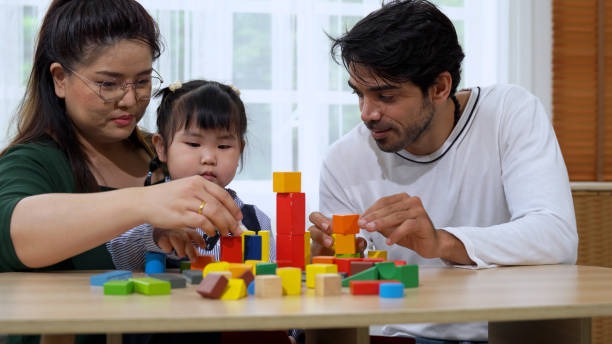
Promoting self-expression in students with autism is a journey filled with discovery, understanding, and growth.
Each child is unique, and their experiences and ways of communicating can vary significantly.
This diversity is what makes the world vibrant, and fostering self-expression in these students not only enriches their lives but also the lives of those around them.
Understanding the importance of self-expression is the first step. For many students with autism, traditional forms of communication may not fully capture their thoughts, feelings, or creativity. They might struggle with verbal communication, making it essential to explore alternative avenues for expression. This is where the beauty of art, music, writing, and even movement comes into play. These creative outlets can open doors to understanding and connection, allowing students to share their inner worlds in ways that feel comfortable and authentic to them.
Creating a supportive environment is crucial for promoting self-expression. This begins with fostering an atmosphere of acceptance and encouragement. Teachers and caregivers play a significant role in this process. By actively listening and validating students’ feelings, they create a safe space where individuals feel empowered to express themselves without fear of judgment. Simple gestures, like nodding in understanding or offering gentle encouragement, can go a long way in building confidence.
A small shift toward balance can also make a world of difference. While it’s essential to provide opportunities for self-expression, it’s equally important to respect each student’s individual pace. Some may flourish in group settings, while others may prefer solitary activities. By offering a variety of options, educators can help students find the modes of expression that resonate most with them. This could include art projects, music sessions, or even quiet reflection time, allowing students to choose how they wish to share their thoughts and emotions.
Artistic endeavors can serve as powerful tools for self-expression. Engaging in creative activities like painting, drawing, or sculpting provides students with a means to communicate their feelings and experiences visually. The process itself can be therapeutic, allowing students to explore their emotions without the constraints of verbal language. Displaying their artwork can also foster a sense of pride and accomplishment, further encouraging self-expression.
Music, too, can be a remarkable medium. Whether through playing an instrument, singing, or simply listening, music has a unique ability to resonate with emotions. Students can express their feelings through rhythm and melody, often finding solace in the sounds that speak to them. Music therapy, while not a one-size-fits-all solution, can offer a pathway for students to connect with their emotions and communicate in ways that feel instinctual.
The written word is another avenue worth exploring. Journaling can be a personal and introspective way for students to express their thoughts and feelings. Encouraging students to keep a journal, even if it’s just doodles or phrases, can help them articulate their experiences. Writing stories or poetry can also allow for deeper exploration of their identity and emotions. Sharing these writings in a supportive environment can create connections with peers and foster a sense of community.
Incorporating movement into self-expression is often overlooked but can be incredibly impactful. Dance, for instance, allows students to express themselves physically, breaking down barriers that words sometimes create. Movement can be liberating, helping students to release pent-up energy and emotions. It’s a beautiful way for them to connect with their bodies and the world around them. Creating opportunities for movement, whether through structured classes or free play, can encourage students to express themselves in a joyful and freeing manner.
Collaboration can also enhance self-expression. Group projects that encourage teamwork can help students learn from one another while expressing their individual ideas. This not only nurtures their creativity but also fosters social connections, teaching them the value of working together. When students see their contributions valued within a group context, it can boost their confidence and willingness to share their thoughts.
The role of technology in promoting self-expression should not be understated. Many students with autism find comfort in digital mediums. Online platforms offer a safe space to create and share their work without the immediate pressures of face-to-face interactions. Whether through digital art, blogs, or social media, technology can facilitate connections and allow students to express themselves in innovative ways.
Building a bridge between home and school can also enhance self-expression. Parents and caregivers can play a pivotal role by encouraging their children to share their thoughts and feelings at home. Sharing experiences from school can lead to valuable discussions, reinforcing the importance of self-expression. By creating a consistent message of support at home and in the classroom, students are more likely to feel secure in expressing themselves.
As we navigate the journey of fostering self-expression in students with autism, it’s essential to remember that every child is on their own timeline. Progress may come in small steps, and that’s perfectly okay. Celebrating each moment of self-expression, no matter how small, can help build a foundation of confidence and openness.
Ultimately, promoting self-expression is about embracing individuality and cultivating a sense of belonging. When students feel empowered to express themselves, they can connect with others and contribute their unique voices to the world. It’s a beautiful reminder that self-expression is not just about communication; it’s about celebrating the richness of human experience in all its forms. By nurturing these expressions, we pave the way for a more inclusive and understanding society, one where every voice has a chance to be heard.