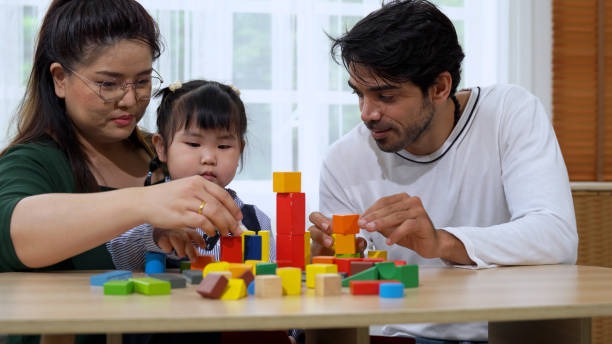
Supporting gifted students can be a rewarding journey for both educators and parents.
These young minds often exhibit remarkable abilities and unique perspectives, which can sometimes lead to feelings of isolation or frustration if their needs are not met.
Embracing the complexities of their development requires a compassionate approach that nurtures their talents while ensuring they feel understood and supported.
Understanding the gifted experience
Gifted students often have an intense passion for learning, coupled with a deep curiosity about the world around them. This can manifest in varied interests and talents, ranging from academic prowess to artistic creativity. However, this intensity can sometimes make it difficult for them to connect with their peers. Gifted individuals may find themselves in a world that doesn’t always align with their way of thinking or feeling. Recognizing this experience is the first step in providing the necessary support.
Creating an engaging environment
To truly support gifted students, it’s essential to create an environment that fosters their interests and challenges their intellect. This can be achieved through differentiated instruction, which tailors learning experiences to meet the individual needs of each student. By providing opportunities for advanced projects, independent research, or creative expression, educators can engage gifted learners and keep their curiosity alive.
Incorporating choice in learning can also encourage gifted students to take ownership of their education. When they are allowed to explore topics that genuinely interest them, they are more likely to remain engaged and motivated. This sense of autonomy not only enhances their learning but also builds confidence in their abilities.
Encouraging social connections
Socialization can be a challenge for gifted students, who may feel out of sync with their peers. Encouraging connections with like-minded individuals can provide a sense of belonging and foster friendships. Schools can facilitate this by creating clubs or groups focused on specific interests, such as science, art, or technology. These spaces allow gifted students to share their passions, collaborate on projects, and develop their social skills in a supportive environment.
Parents can also play a vital role in nurturing social connections. Organizing playdates or group activities with other gifted children can help foster friendships outside of school. These interactions can be incredibly beneficial in helping gifted students feel understood and accepted, contributing positively to their emotional well-being.
Fostering emotional intelligence
Gifted students often experience heightened emotions, which can be both a gift and a challenge. Encouraging emotional intelligence is an essential aspect of supporting their overall development. Teaching gifted students to recognize and articulate their feelings can empower them to navigate their emotions more effectively. This can be achieved through discussions about empathy, self-awareness, and coping strategies.
A calm environment where students feel safe expressing their feelings is crucial. Educators and parents can model emotional literacy by sharing their own experiences and emotions, thereby creating a culture of openness. This not only helps gifted students feel seen and valued but also teaches them essential skills for managing their emotional landscape.
Providing mentorship opportunities
Mentorship can be a powerful tool for supporting gifted students. Connecting them with mentors who share similar interests can provide guidance, encouragement, and inspiration. Mentors can offer insights into potential career paths, share their experiences, and help gifted students navigate the complexities of their talents.
Schools might consider establishing mentorship programs that pair gifted students with professionals in their fields of interest. This not only exposes students to real-world applications of their talents but also helps them build valuable relationships that can last a lifetime.
Balancing challenge and support
Finding the right balance between challenge and support is crucial in nurturing gifted students. While they thrive on intellectual stimulation, it’s essential to be mindful of their emotional needs as well. Offering challenging coursework is important, but so is ensuring that students have access to support systems when they face difficulties.
Encouraging a growth mindset can help gifted students embrace challenges without fear of failure. When they understand that setbacks are part of the learning process, they are more likely to take risks and explore new ideas. Celebrating their efforts and progress, rather than solely focusing on outcomes, can create a safe space for them to learn and grow.
Involving families in the journey
Families play a vital role in the support of gifted students. Open communication between parents and educators is essential in ensuring that both parties are aligned in their approach. Regular meetings and updates can help parents feel involved in their child’s educational journey, providing them with tools and resources to support their giftedness at home.
Encouraging parents to share their insights about their child’s interests and challenges can lead to a more holistic understanding of the student. This collaborative approach not only strengthens the support network around gifted students but also reinforces the idea that their unique abilities are valued and celebrated.
Embracing the journey
Supporting gifted students is a journey filled with discovery and growth. By fostering an environment that encourages curiosity, emotional intelligence, and social connections, we can help these exceptional young individuals thrive. Recognizing their unique experiences and providing tailored support can make a significant difference in their lives, allowing them to flourish both academically and personally.
As we navigate this journey, it’s essential to celebrate the diverse talents and perspectives that gifted students bring to our communities. By nurturing their gifts with compassion and understanding, we can empower them to reach their full potential and contribute positively to the world around them. In doing so, we not only support gifted students but also enrich the lives of everyone they encounter along the way.