Preparing Children for Cooperative Learning Activities
In today’s educational landscape, cooperative learning has emerged as a powerful method for fostering collaboration and communication among students.
The essence of cooperative learning lies in its ability to engage children in shared tasks, allowing them to learn from one another while developing critical social skills.
As parents and educators, preparing children for these activities can set the stage for enriching experiences that extend beyond the classroom.
Creating a foundation of trust is essential as children embark on cooperative learning activities. They thrive in environments where they feel safe and supported. This begins at home, where open communication creates a sense of belonging. Encouraging children to express their thoughts and feelings fosters an atmosphere of trust. Simple conversations about their day, interests, and challenges can help children feel more comfortable sharing their ideas with peers.
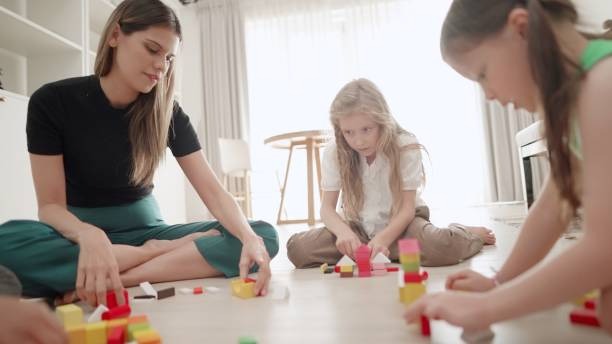
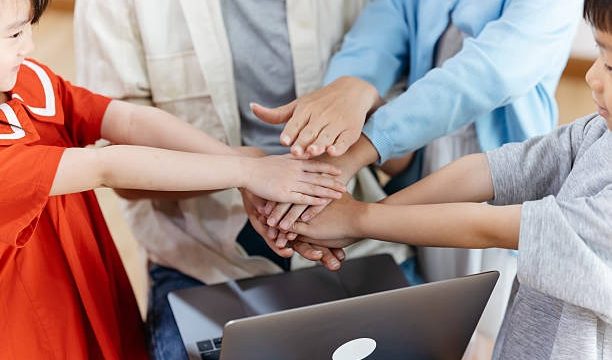
Cultivating a spirit of teamwork is another vital aspect of preparing children for cooperative learning. Engaging in group activities at home can help children understand the dynamics of working with others. Family game nights, for example, not only provide fun but also teach children how to navigate winning and losing together. Through these shared experiences, they can learn the importance of collaboration, compromise, and celebrating each other’s contributions.
Another gentle approach involves introducing children to the concept of roles within a group. Understanding that everyone has a unique part to play can help children appreciate different perspectives and skills. In a family setting, assigning roles during chores or projects can serve as a practical exercise. Whether it’s designating someone to lead a cooking project or assigning tasks for a home improvement project, these experiences can help children recognize the value of teamwork.
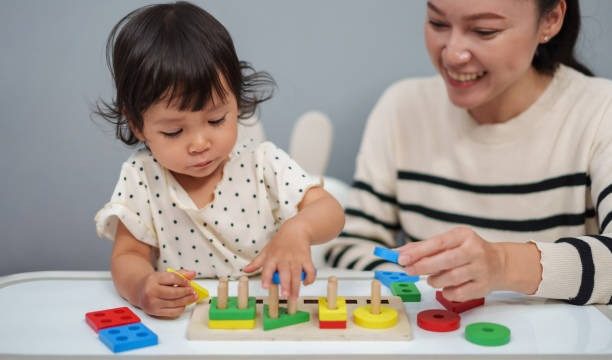
As children prepare for cooperative learning, it’s also important to nurture their problem-solving skills. Encouraging them to tackle challenges together can boost their confidence in working as a team. Simple puzzles or collaborative art projects can serve as wonderful opportunities for children to brainstorm solutions collectively. When they face obstacles, guiding them to discuss potential solutions fosters a sense of agency and collaboration.
A small shift toward balance can make a significant difference in how children approach group activities. While it’s natural for some children to take the lead, others may be more reserved. Creating balanced opportunities for participation can help all children find their voice. One way to encourage this balance is by practicing turn-taking in conversations, whether during family discussions or while playing games. This practice helps create an inclusive environment where everyone feels valued and heard.
Understanding the importance of empathy is another cornerstone of cooperative learning. Teaching children to recognize and appreciate the feelings of others can enhance their ability to work in teams. Reading stories that explore diverse perspectives or discussing various emotions can help children develop a deeper understanding of empathy. This awareness can be pivotal when they collaborate with peers, as it encourages kindness and consideration in their interactions.
As children engage in cooperative learning activities, fostering a growth mindset is crucial. Encouraging them to view challenges as opportunities for growth can help them embrace the learning process. When they encounter difficulties, remind them that it’s okay to make mistakes and that these moments can lead to valuable lessons. Celebrating effort rather than just outcomes can empower children to take risks and learn from each experience.
In addition to nurturing soft skills, parents and educators can also help children develop practical skills for cooperative learning. Teaching children how to communicate effectively is essential. Role-playing different scenarios, such as resolving conflicts or sharing ideas, can help them practice these skills in a safe space. By modeling effective communication, children can learn how to express their thoughts clearly and listen actively to their peers.
Encouraging curiosity and open-mindedness can enrich children’s experiences in cooperative learning. Helping them understand that different perspectives can lead to innovative solutions is vital. Engaging in discussions about various cultures, ideas, and experiences can broaden their horizons and help them appreciate diversity. This mindset can create a more inclusive atmosphere during collaborative activities, allowing children to learn from one another.
As children prepare for cooperative learning, it’s also essential to instill a sense of responsibility. Teaching them to be accountable for their contributions can enhance their commitment to the group. Discussing the importance of following through on tasks and being reliable teammates can help them understand their role in the collective effort. This sense of responsibility can be reinforced through family projects, where each member’s contribution is pivotal to the overall success.
Finally, as children embark on their cooperative learning journeys, it’s important to celebrate their successes, both big and small. Recognizing their efforts can reinforce the value of teamwork and collaboration. Whether it’s a simple acknowledgment of a job well done or a family celebration for achieving a goal together, these moments create lasting memories and encourage positive associations with cooperative learning.
In conclusion, preparing children for cooperative learning activities involves a multifaceted approach that nurtures trust, teamwork, communication, empathy, and responsibility. By creating supportive environments at home and encouraging collaborative experiences, we can help children thrive in group settings. As they develop these essential skills, they will not only excel academically but also foster meaningful connections with their peers, paving the way for a brighter, more collaborative future.