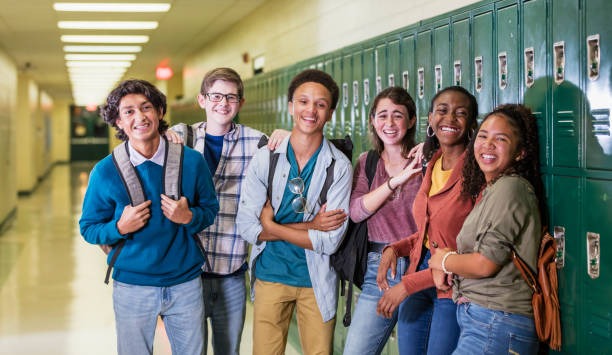
In a world where conversations often drift toward the contentious, the Debate Club stands out as a gentle beacon of hope.
It is a space where young minds gather, not merely to argue, but to engage in thoughtful discussion.
The essence of debate transcends mere competition; it fosters a culture of mutual respect, empathy, and understanding.
Here, we explore how participating in a debate club can encourage kind discussion, allowing individuals to express their views while also listening to others with an open heart.
A nurturing environment is essential for any meaningful dialogue. Debate clubs often cultivate this atmosphere by emphasizing the importance of respect and civility. Members learn early on that the goal is not to “win” at all costs, but to engage in a thoughtful exchange of ideas. This fundamental principle encourages participants to approach each conversation with an open mind. In the process, they discover that differing opinions can enrich discussions rather than diminish them.
As participants prepare for debates, they delve into research and gather facts to support their arguments. This preparation not only fosters critical thinking but also encourages individuals to consider perspectives beyond their own. When one takes the time to understand the nuances of a topic, it becomes easier to appreciate the viewpoints of others. This practice of empathy is a cornerstone of kind discussion, reminding us that every opinion is shaped by unique experiences and backgrounds.
Listening is another vital skill honed in debate clubs. While it may seem simple, active listening is often overlooked in our daily interactions. In a debate setting, participants are encouraged to truly hear what their opponents are saying. This means not just waiting for their turn to speak but genuinely absorbing the information being presented. By doing so, debaters build a foundation of respect, allowing for a more constructive exchange. They learn that acknowledging the validity of another’s perspective does not diminish their own; instead, it enriches the conversation.
The framework of structured debate also plays a significant role in promoting kind discussion. With set rules and time limits, participants learn to articulate their thoughts clearly and concisely. This structure helps to prevent conversations from spiraling into chaos or personal attacks. Instead of resorting to emotional appeals or ad hominem arguments, debaters are encouraged to stay focused on the topic at hand. This discipline nurtures a sense of professionalism, allowing individuals to engage in discussions that are both passionate and respectful.
A small shift toward balance can make all the difference in how discussions unfold. In a debate club, members often practice techniques for diffusing tension. For instance, when a discussion becomes heated, participants may be encouraged to take a step back and find common ground. This approach not only calms the atmosphere but also fosters an environment where individuals feel safe expressing their thoughts. By focusing on shared values and goals, debaters can navigate disagreements with grace, turning potential conflicts into opportunities for growth.
The camaraderie built within a debate club also contributes to an overall culture of kindness. Participants often form close bonds as they work together to prepare for debates. These friendships provide a support system that encourages individuals to express themselves authentically. When members feel valued and understood, they are more likely to engage in kind discussions, both within and outside the club. The sense of community nurtured in this setting creates a ripple effect, encouraging members to carry these values into their everyday interactions.
Moreover, the skills developed through debate extend far beyond the confines of the club. As individuals learn to articulate their thoughts and listen to others, they become more adept at navigating conversations in various aspects of their lives. Whether in a classroom, at home, or in social gatherings, the ability to engage in kind discussion becomes a valuable asset. It empowers individuals to advocate for their beliefs while remaining open to the insights of others, fostering an environment where diverse perspectives can coexist harmoniously.
In an age where digital communication often replaces face-to-face interactions, the lessons learned in debate clubs are more important than ever. The ability to engage in respectful dialogue is a skill that can bridge divides and foster understanding in a polarized world. By encouraging kind discussion, debate clubs help cultivate a generation that values empathy and respect, reminding us all of the power of words.
As we reflect on the impact of debate clubs, it’s clear that they serve as more than just a platform for competition. They are nurturing grounds for developing essential life skills that go beyond rhetoric. The emphasis on respectful engagement, active listening, and mutual understanding creates a culture of kindness that resonates throughout the lives of participants.
In a society that often struggles with communication, the gentle art of debate stands as a reminder of our shared humanity. By participating in a debate club, individuals not only sharpen their minds but also open their hearts to the beauty of diverse perspectives. As we embrace these values, we can all contribute to a world where kind discussions flourish, enriching our connections and deepening our understanding of one another.