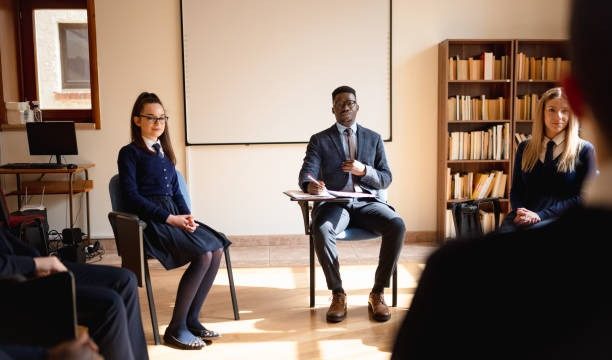
Engaging in a debate club is more than just honing the art of argumentation; it’s about fostering collaboration and teamwork.
While it may seem like a solitary endeavor, the essence of debate thrives on collective effort.
The interplay of ideas, the sharing of perspectives, and the support of teammates create an environment where individuals can flourish. In this space, the role of team effort becomes paramount, transforming the experience from mere competition into a rich tapestry of learning and growth.
A gentle reminder of shared goals
At its core, debate is about presenting ideas and defending them with clarity and conviction. However, the most successful debaters know that they are not alone in this journey. Each member of a debate team brings unique strengths and viewpoints, contributing to a richer understanding of the topics at hand. When participants come together, they create a synergy that elevates their individual abilities. Team members can brainstorm ideas, challenge each other’s assumptions, and refine arguments in a way that no single person could achieve alone.
Moreover, the shared goal of winning a debate can foster a sense of camaraderie among team members. This common purpose encourages collaboration, allowing individuals to set aside personal differences and focus on their collective success. The moments spent preparing together, whether through spirited discussions or late-night practice sessions, weave a bond that extends beyond the debate floor.
The beauty of diverse perspectives
One of the most significant advantages of team effort in a debate club is the diversity of thought. Each member brings their own background, experiences, and opinions, which enrich discussions and encourage deeper exploration of topics. This variety can lead to innovative arguments that might not surface in a more homogeneous group.
When debating a complex issue, a team with varied viewpoints can dissect the subject matter from multiple angles. This not only strengthens their case but also prepares them to anticipate and counter opposing arguments. The process of collaborating to understand different perspectives fosters critical thinking and empathy, essential skills that extend far beyond the debate hall.
Creating a supportive environment
In the often high-pressure world of competitive debate, the emotional support provided by team members can make a world of difference. Preparing for a debate can be daunting, filled with anxiety about performance and the fear of public speaking. In such moments, the encouragement from teammates can help alleviate stress and build confidence. A supportive environment fosters a culture of constructive feedback, allowing individuals to grow without the fear of harsh judgment.
Sharing the highs and lows of competition also strengthens bonds. Celebrating victories together reinforces a sense of belonging, while navigating defeats offers opportunities for resilience and collective learning. In this way, team effort transforms the debate experience into a journey of personal and communal growth.
Learning the art of collaboration
Debate is inherently about persuasion, but it also teaches the invaluable skill of collaboration. Working as a team requires effective communication, patience, and the ability to listen. These skills are crucial not only in debate but in all aspects of life. As team members learn to articulate their thoughts clearly and respectfully consider others’ viewpoints, they become better communicators overall.
Additionally, the process of developing arguments collaboratively helps debaters understand the importance of compromise and negotiation. In the world outside of debate, these qualities are essential for building relationships, resolving conflicts, and fostering teamwork in various settings, from the workplace to personal interactions.
A small shift toward balance
While the competitive nature of debate can sometimes overshadow the collaborative aspects, it is essential to maintain a balance. A healthy team dynamic encourages all members to contribute, ensuring that no single voice dominates the conversation. This balance empowers individuals, allowing them to shine while still valuing the contributions of others.
Encouraging quieter members to share their thoughts and ideas can lead to surprising insights and strengthen the team as a whole. Acknowledging each member’s contributions fosters an inclusive atmosphere where everyone feels valued and heard. This not only enhances the team’s performance but also cultivates a sense of belonging that is vital for personal and collective success.
The lifelong impact of teamwork
The lessons learned through team effort in a debate club extend far beyond the realm of public speaking and argumentation. The ability to collaborate effectively is a skill that will serve individuals throughout their lives. Whether in academic settings, professional environments, or personal relationships, the principles of teamwork, communication, and empathy are invaluable.
Moreover, the friendships forged in debate clubs can last a lifetime. The shared experiences of preparing for competitions, navigating challenges, and celebrating achievements create lasting memories and connections. These relationships often provide a support network that extends into other areas of life, reinforcing the idea that teamwork is not just about achieving goals but also about building a community.
In conclusion, the role of team effort in a debate club is profound and multifaceted. It transforms the experience from a solitary pursuit into a collaborative journey filled with learning, growth, and connection. As team members come together to explore ideas, support one another, and celebrate achievements, they cultivate a sense of belonging that enriches their lives. Ultimately, the skills and relationships developed in a debate club will resonate far beyond the walls of the classroom, shaping individuals into confident communicators and compassionate collaborators in all aspects of their lives.