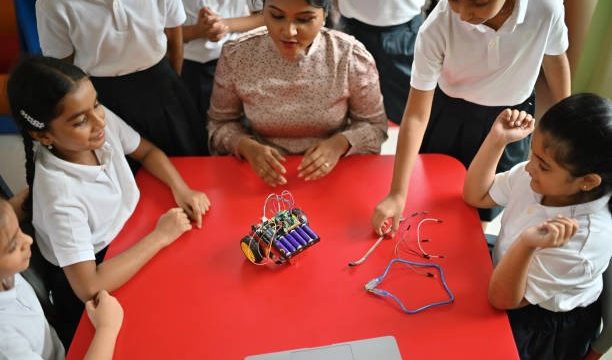
In a world increasingly driven by technology, nurturing creativity in children is more important than ever.
As parents, educators, and caregivers, we often seek ways to inspire our young ones to express themselves and think outside the box.
One delightful avenue to explore is coding. While it may seem like a rigid discipline, coding can actually be a playground for imagination and creativity. Let’s delve into some engaging coding challenges that not only teach kids valuable skills but also ignite their creative spirits.
When we think of coding, we might picture lines of text or complex algorithms, but at its heart, coding is about problem solving and storytelling. It’s a language through which children can communicate their ideas and dreams. By introducing coding challenges that are fun and imaginative, we encourage kids to see coding not just as a technical skill but as a form of art.
One of the simplest yet most effective ways to spark creativity is through storytelling. Imagine a coding challenge where children create their own interactive story using a basic programming platform. They can design characters, set a scene, and develop a plot that unfolds based on user interactions. This approach not only helps them grasp fundamental coding concepts but also allows them to express their ideas and emotions in a creative format. Watching their story come to life on the screen can be a magical experience, fostering a sense of accomplishment and pride.
As kids navigate through their interactive stories, they learn about sequencing, logic, and the importance of clear instructions. They begin to understand that every choice they make in their code affects the outcome of their story. This realization can lead to deeper thinking and a newfound appreciation for the creative process. It’s a wonderful opportunity for them to experiment, make mistakes, and learn from them—essential skills that will serve them well in all areas of life.
Another engaging challenge involves game design. Kids love games, and encouraging them to create their own can be incredibly empowering. Challenge them to design a simple game using a kid-friendly coding platform. They can decide on the theme, rules, and characters, all while learning about game mechanics and user experience. This project not only teaches coding but also invites them to think critically about what makes a game enjoyable.
As they work on their game, children will encounter various obstacles that require creative solutions. Perhaps they need to figure out how to balance difficulty to keep players engaged or how to create rewards that motivate users to continue playing. Each decision they make enhances their problem-solving skills and encourages them to think like designers. The joy of sharing their game with friends and family can further boost their confidence and inspire them to take on even more ambitious projects.
Incorporating art into coding is another fantastic way to inspire creativity. Coding doesn’t have to be about text alone; it can also be a vibrant canvas for visual expression. A coding challenge that involves creating digital art or animations can captivate children’s imaginations. Using platforms that allow kids to draw or animate through code, they can experiment with colors, shapes, and movements.
As they create, children learn about the relationship between math and art, exploring concepts like symmetry and patterns. This blending of disciplines not only enriches their understanding but also demonstrates that creativity knows no boundaries. Encouraging them to share their artwork can foster a sense of community and appreciation for each other’s unique styles.
Collaboration is another key ingredient in the recipe for creative coding. Organizing group challenges where kids work together on coding projects can lead to incredible outcomes. Whether they are building a website, developing a game, or creating an app, collaboration allows them to share ideas, learn from one another, and build upon each other’s strengths. In this environment, they can experience the joy of collective creativity, realizing that their individual contributions can lead to something greater.
As they collaborate, children also develop soft skills that are crucial in today’s world, such as communication, empathy, and teamwork. They learn to listen to different perspectives and negotiate solutions, all while having fun and exploring their creativity. The friendships formed during these projects can be a source of inspiration and support, encouraging them to continue exploring their interests in coding and beyond.
The beauty of these coding challenges lies in their ability to inspire and engage children without the pressure of perfection. It’s essential to create an environment where kids feel free to explore, innovate, and express themselves. Encouraging them to embrace the process rather than just focusing on the end result fosters a growth mindset, allowing them to see challenges as opportunities for learning and creativity.
As we introduce our children to the world of coding, it’s vital to remind them that creativity is not limited to traditional forms of art. Coding itself is an art form, one that allows them to express their ideas in unique and powerful ways. By providing them with the tools and challenges to explore this medium, we empower them to become not just consumers of technology but creators who can shape the future.
Ultimately, coding challenges that inspire creativity do more than teach technical skills; they nurture imagination, build confidence, and foster a sense of community. As our children embark on their coding journeys, let’s encourage them to dream big, think creatively, and embrace the endless possibilities that coding offers. In doing so, we help cultivate a generation of innovators who are not only equipped with the skills of tomorrow but also the creativity to envision a brighter future.