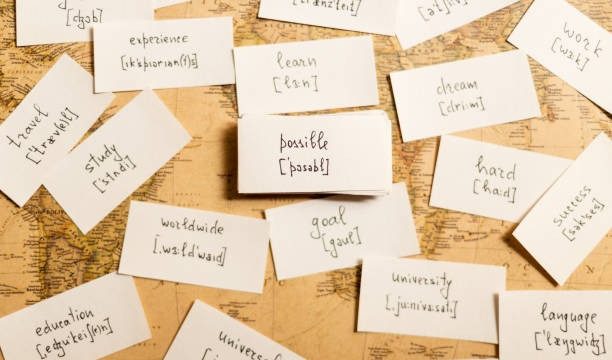
In a world overflowing with information, the way we learn has taken on new dimensions.
Traditional methods of education have long focused on rote memorization and passive absorption of facts.
However, an emerging trend in educational philosophy is emphasizing the value of learning through exploration.
This approach not only cultivates curiosity but also deepens understanding, allowing individuals to engage with the world in a more meaningful way.
When we think about exploration, we often picture grand adventures in distant lands or scientific endeavors in untamed wilderness. Yet exploration can occur in our everyday lives, within our homes, communities, and even through our relationships. It’s about fostering an inquisitive mindset, where questions are welcomed, and discoveries are part of the journey.
One of the most significant benefits of learning through exploration is the way it activates our innate curiosity. When we allow ourselves to step outside the confines of traditional learning environments, we open the door to a myriad of experiences. Whether it’s wandering through a local museum, experimenting in the kitchen, or engaging in a new hobby, exploration invites us to ask questions and seek answers. This process of inquiry not only enhances our knowledge but also encourages a deeper connection to the subject matter.
Imagine a child observing nature in their backyard. Instead of simply reading about the life cycle of a butterfly in school, they witness it firsthand as they watch caterpillars munching on leaves, forming chrysalises, and ultimately emerging as vibrant butterflies. This direct experience ignites a spark of interest that textbooks alone may not inspire. Through exploration, the child learns not just the facts about butterflies, but also the nuances of their behavior, habitat, and role in the ecosystem.
As adults, we can benefit from this same approach. When we engage in activities that pique our interest, we often find ourselves immersed in a state of flow, where time seems to stand still. This immersive experience reinforces learning in a way that passive study cannot. For instance, cooking a new recipe requires us to read, measure, and experiment, leading to a tangible and delicious outcome. Each step in the process is a learning opportunity, reinforcing our understanding of ingredients, techniques, and even cultural traditions.
Exploration also fosters creativity, which is a vital component of understanding. When we allow ourselves to play and experiment without the fear of failure, we unlock new ways of thinking. This creative freedom encourages us to approach problems from different angles, leading to innovative solutions. Whether we’re crafting a piece of art, writing a story, or developing a new project at work, the act of exploration encourages us to break free from conventional thinking and embrace our unique perspectives.
Moreover, learning through exploration nurtures resilience. In the face of challenges, exploration teaches us to adapt and find solutions. When we venture into the unknown, we inevitably encounter obstacles, but these experiences provide valuable lessons. For example, a gardener may struggle with pests or poor soil but learns through trial and error how to cultivate a thriving garden. Each setback becomes an opportunity to grow, not just in skill but in confidence as well.
A gentle shift toward balance is another gift that exploration offers. In a world that often feels overwhelming, taking the time to explore allows us to step back and reconnect with ourselves. It provides a much-needed pause from the fast-paced demands of daily life. When we immerse ourselves in new experiences, we not only learn about the world but also about our own preferences, strengths, and passions. This self-discovery is a crucial aspect of personal growth and can lead to greater fulfillment in our lives.
Social connections also flourish through exploration. Engaging in new activities often brings us into contact with others who share our interests. Whether it’s joining a hiking group, taking a cooking class, or participating in community events, these shared experiences foster relationships and create a sense of belonging. Learning together enhances understanding, as we exchange ideas, perspectives, and insights. The collaborative nature of exploration enriches our knowledge and helps us appreciate diverse viewpoints.
Incorporating exploration into our daily routines doesn’t have to be a monumental task. It can be as simple as taking a different route to work, trying a new restaurant, or visiting a local art exhibit. Each small step contributes to a broader understanding of the world around us. Embracing this mindset of exploration allows us to see learning as a lifelong journey rather than a destination.
As we reflect on the power of learning through exploration, it becomes clear that this approach holds the potential to transform our understanding of ourselves and the world. By nurturing curiosity, fostering creativity, building resilience, and strengthening social connections, exploration enriches our lives in profound ways. It invites us to engage with the world actively and encourages us to find joy in the process of discovery.
In a society that often prioritizes efficiency and outcomes, let us remember the beauty of exploration. It’s not merely about acquiring knowledge but about experiencing life in all its richness. So, let us embrace the spirit of exploration, allowing it to guide us on our journey toward deeper understanding and a more fulfilling existence. In doing so, we not only learn about the world but also discover more about ourselves, ultimately enhancing our path through life.